What is Dieline in Packaging and Printing?
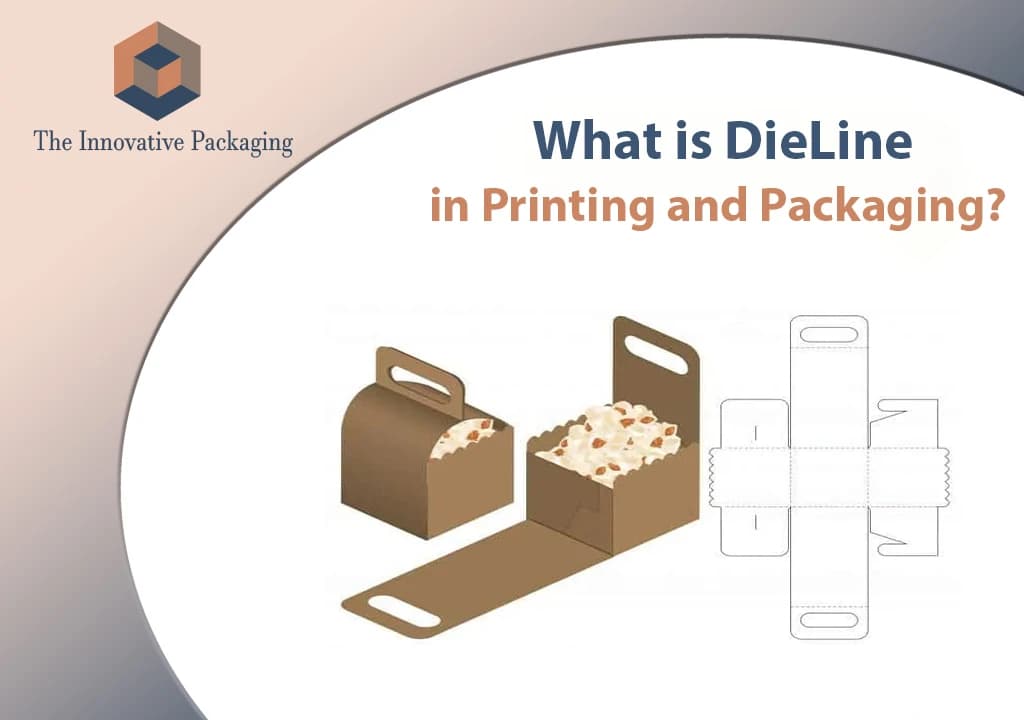
What Is a Dieline?
A dieline is the flat, two-dimensional blueprint of a packaging box. It maps out every panel, flap, fold line, and cut line so that a flat sheet of cardboard can be cut and folded into a finished three-dimensional box. Think of it as the architectural plan for your packaging. Without it, there is no box.
Dielines are used across the entire packaging industry, from small cosmetic boxes to large corrugated shipping cartons. Every custom box starts with a dieline, and getting it right is essential for a clean, professional result.
Key Components of a Dieline
A standard dieline includes several elements that guide both printing and manufacturing:
- Cut lines: Solid lines that indicate where the material will be cut. These define the outer shape of the box.
- Fold lines: Dashed or scored lines that show where the cardboard will be folded to form the box structure.
- Glue tabs: Small flaps along the edges where adhesive is applied to hold the box together.
- Bleed area: An extra margin (typically 3mm) beyond the cut line where artwork extends to prevent white edges after trimming.
- Safe zone: The inner area where critical text and design elements should be placed to avoid being trimmed or hidden by folds.
Why Dielines Matter for Custom Packaging
A properly constructed dieline ensures that your artwork aligns perfectly with the box structure. Without an accurate dieline, text can be cut off, images can wrap incorrectly around edges, and panels may not fold cleanly. For brands investing in custom packaging, the dieline is the foundation that determines whether the final product looks professional or not.
At The Innovative Packaging, we create a custom dieline for every order at no additional cost. Our design team builds the dieline to your exact dimensions and provides a 3D digital proof so you can see how the finished box will look before production begins.
How Dielines Are Created
Dielines are typically created in vector-based design software such as Adobe Illustrator. The designer inputs the box dimensions (length, width, height), selects the box style (tuck end, mailer, sleeve, etc.), and generates the flat template. The dieline is then shared with the client so they can place their artwork within the correct panels.
If you do not have a design team, many packaging manufacturers, including us, will create both the dieline and the artwork for you as part of the order process.
Common Dieline Mistakes to Avoid
Even experienced designers can make dieline errors. Here are the most common ones:
- Placing important text or logos too close to fold lines or cut lines.
- Forgetting to extend the artwork into the bleed area.
- Using incorrect dimensions that result in a box that is too tight or too loose for the product.
- Confusing cut lines with fold lines, leading to structural problems.
Always review your dieline with a 3D proof before approving production to catch these issues early.
James Mitchell
Packaging Consultant · 12 years experience
James is the lead packaging consultant at The Innovative Packaging with over 12 years of experience in custom packaging solutions for brands across the USA.
More from the blog
Matte vs Gloss: Which Lamination is Better for Packaging?
Matte lamination gives a soft, premium feel. Gloss adds shine and vibrancy. Here is how to choose the right lamination finish for your custom packaging.
Read more →Gain Pore Profit With Window Cupcake Boxes
Window cupcake boxes let customers see your product before buying. Learn how the right bakery packaging can increase impulse purchases and strengthen your brand.
Read more →